
Grantwriting Basics for Small Arts Organizations
Most small arts organizations lose grants not because the work isn't good enough, but because the proposal doesn't answer the three questions every reviewer is actually asking.
Read the full article →
Practical notes on grantwriting, community fundraising, artist support, and arts-education access for small culture organizations — plus what larger heritage and cultural sites can teach a local project.
Most small arts organizations lose grants not because the work isn't good enough, but because the proposal doesn't answer the three questions every reviewer is actually asking.
Read the full article →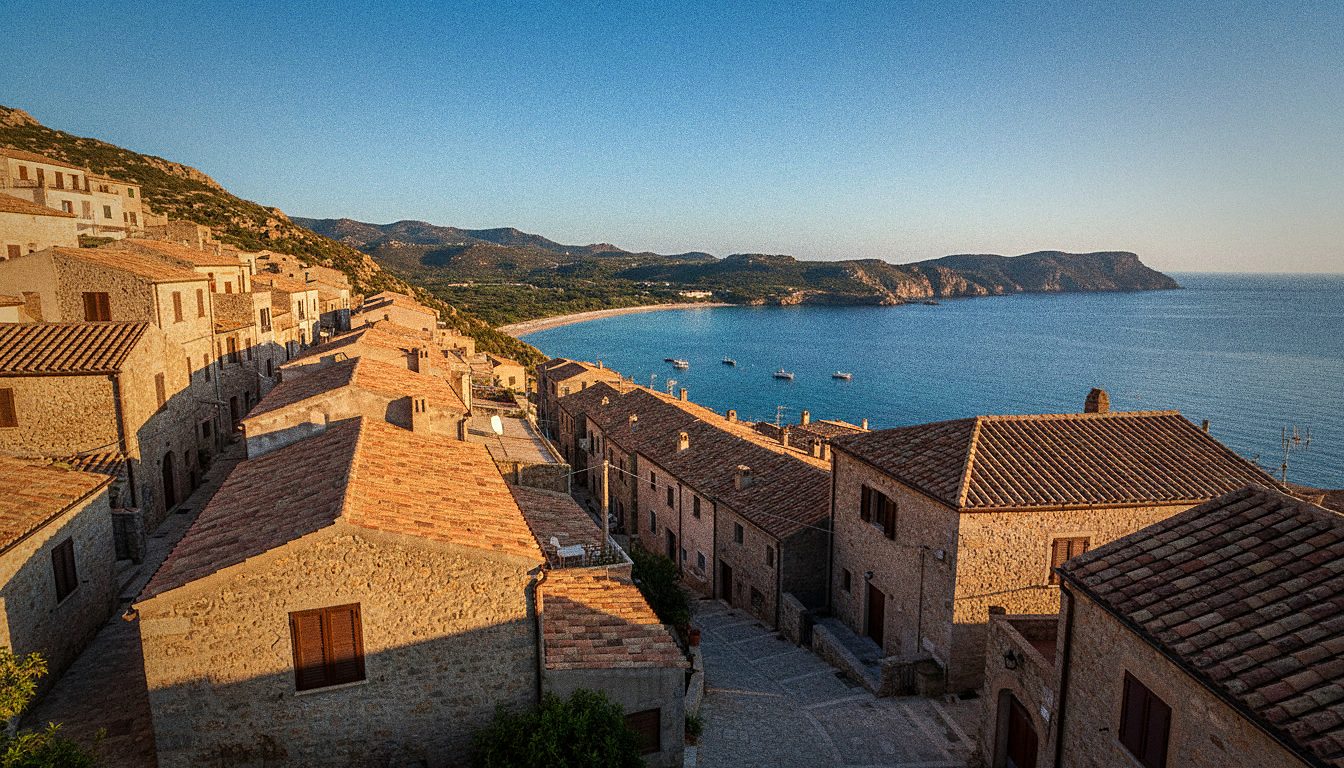
Sardinia's public transport thins out quickly outside the main coastal towns, and the villages where the most interesting craft visits happen are often a 30-60 minute drive from Olbia with no direct bus connection. For a small group — typically four to eight people on these trips — booking an Olbia car rental no deposit is by far the most practical option: it avoids the cost and scheduling rigidity of a private driver for a multi-day trip, skips the security-deposit hold that can otherwise tie up an organization's card for the length of the trip, and gives the group the flexibility to add an unplanned stop when a local contact suggests one, which happens often on this kind of itinerary.
Read the full article →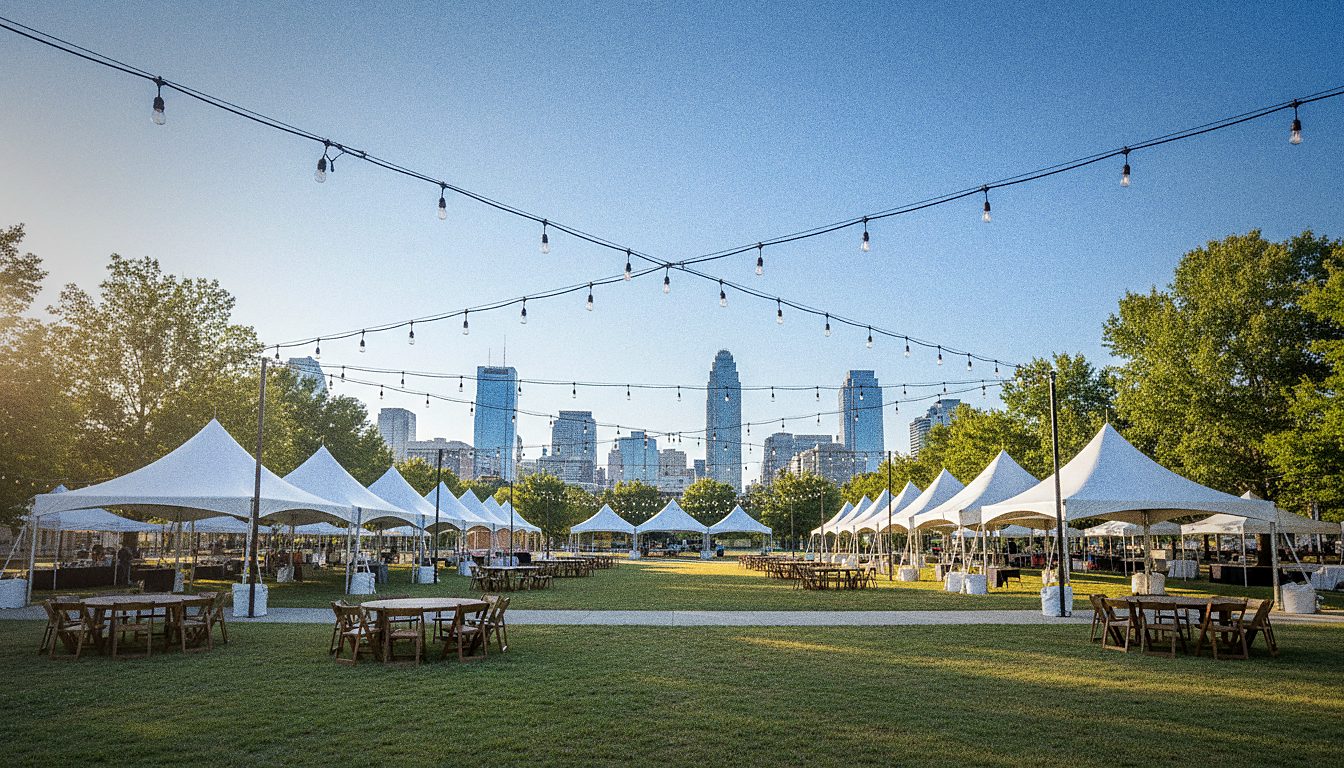
A gala dinner works well for an organization that already has a mailing list of wealthy donors. It works badly for almost everyone else — and most local culture projects fall into the second group.
Read the full article →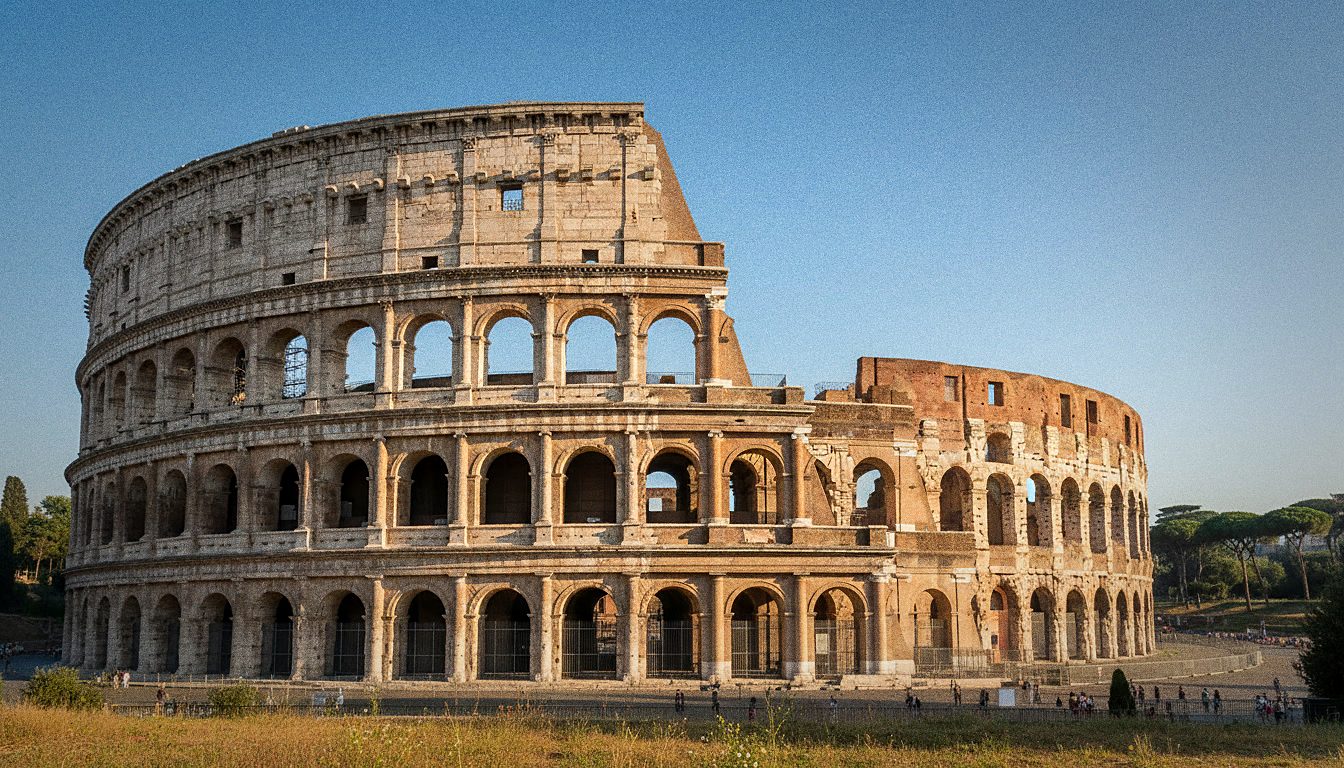
For a heritage or preservation-focused organization, seeing a large-scale conservation program up close — even briefly, as a visitor rather than through a formal professional visit — often clarifies which parts of the model genuinely transfer down to a community scale and which don't. Worth checking directions to the Colosseum well before the trip, since a group planning to reach the upper tiers and underground level — the areas that give the most useful view of ongoing, visible conservation work in progress — needs more lead time to arrange timed-entry access than a standard ground-level visit alone would require.
Read the full article →
Buying a piece of art once a year feels like support, but it does almost nothing for a working artist's actual stability — the things that help most are quieter and more structural.
Read the full article →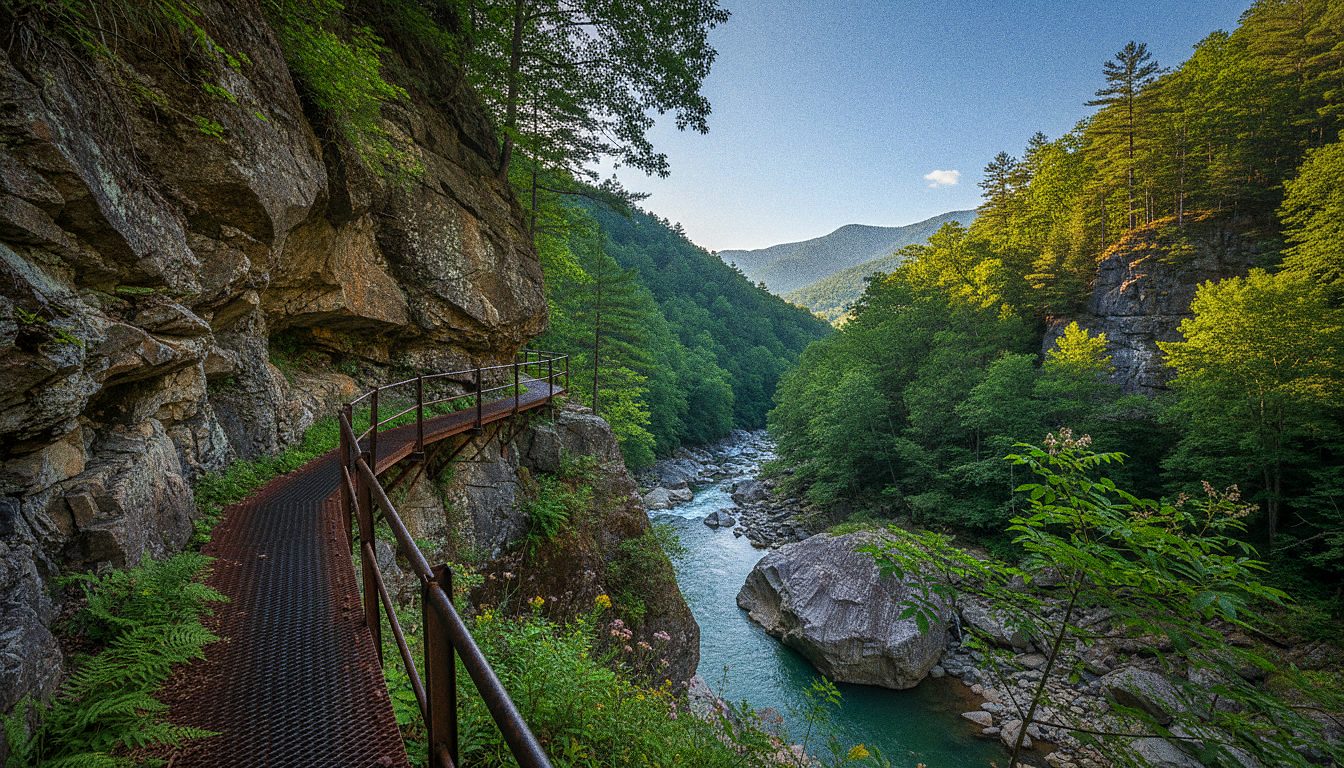
For a community group working on a local trail or public-art walkway project, seeing this kind of large-scale reinvention firsthand offers something a case-study writeup can't — a direct sense of how the controlled-access system actually feels to walk, and how the interpretive signage tells the restoration story along the route itself. Caminito del Rey tickets need to be booked well ahead of a visit, since the capped daily capacity that protects the trail also means it sells out, often weeks in advance during peak season.
Read the full article →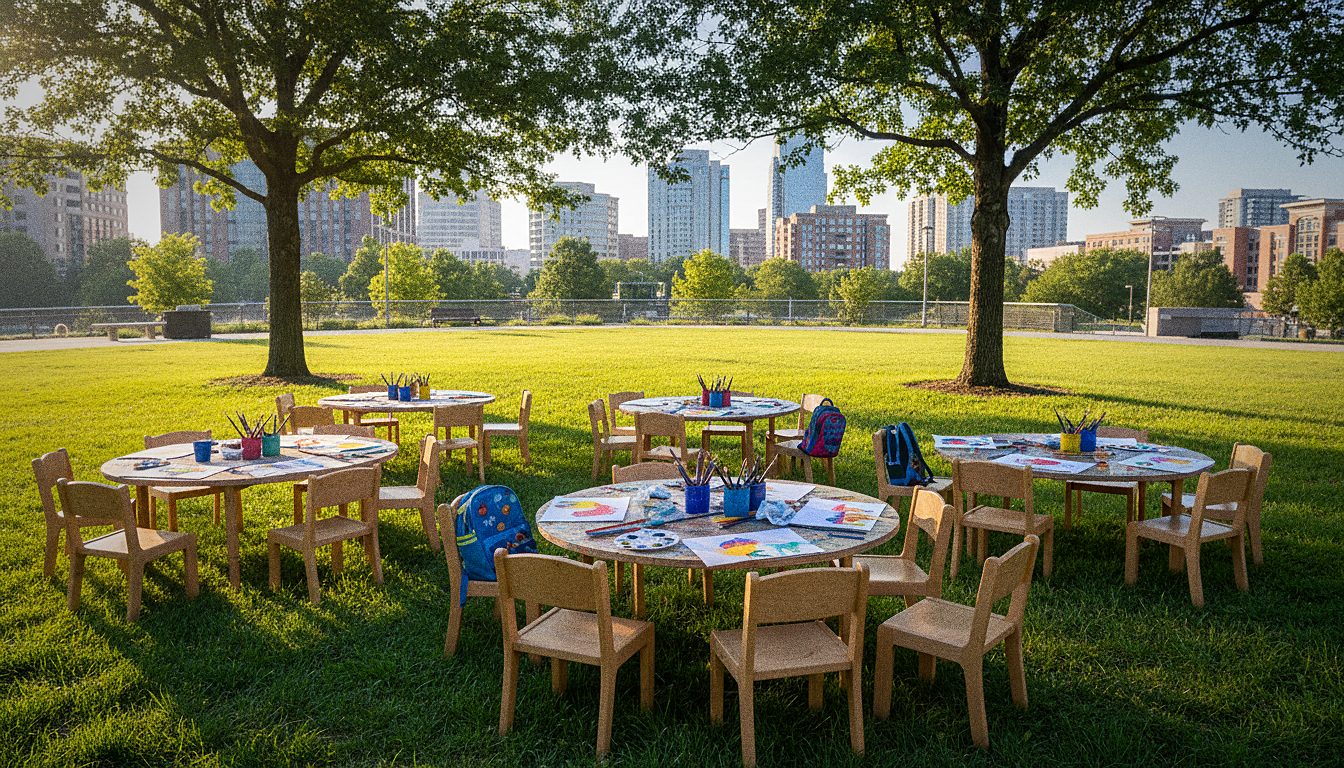
Arts education access isn't mainly a funding problem in the way it's usually described — it's a scheduling and transportation problem wearing a funding problem's clothes.
Read the full article →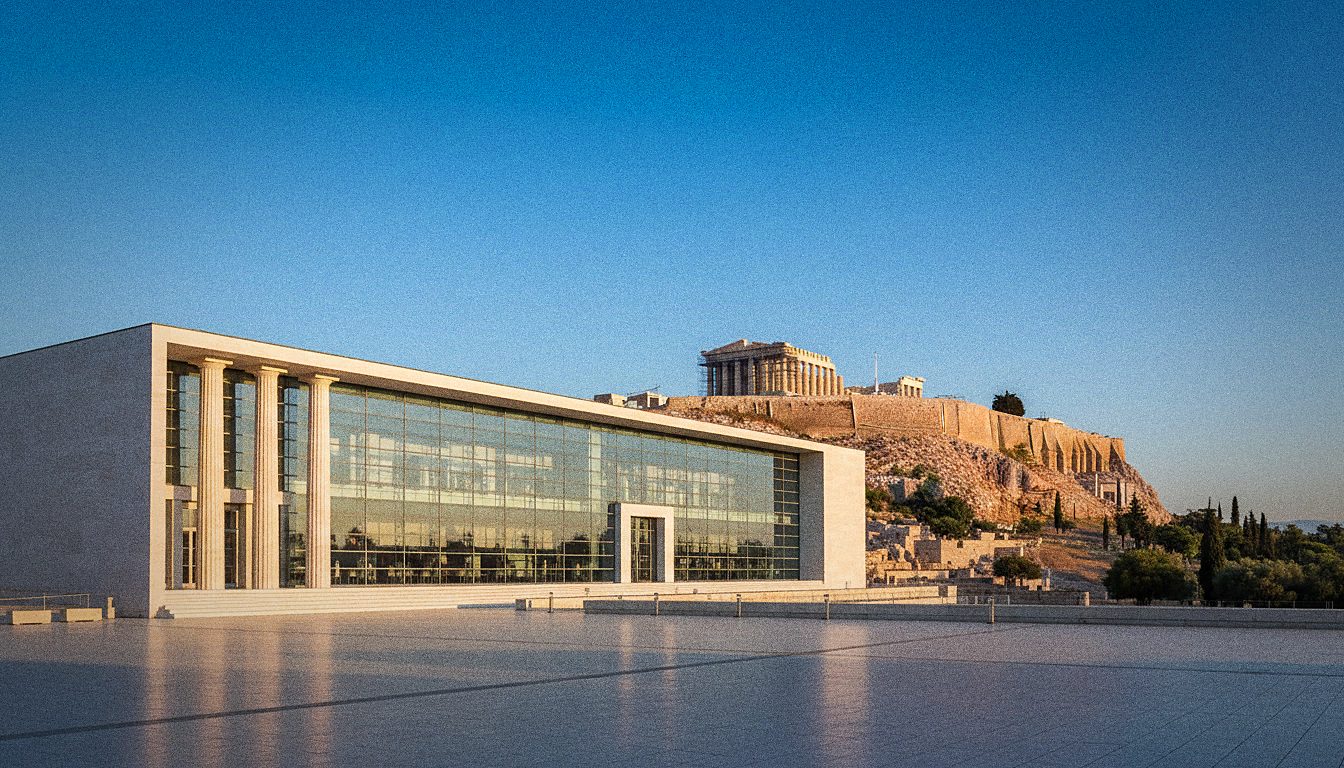
Flights into Greece typically route through Athens International Airport regardless of the final destination within the country, which makes athens-airport.eu a useful starting point when comparing routes and timing for a group traveling from multiple originating cities — a common situation for a study tour where staff or board members are joining from different locations rather than departing together.
Read the full article →
Most community fundraisers fail at the goal-setting stage, before a single dollar is raised — the number chosen has nothing to do with what the organization actually needs.
Read the full article →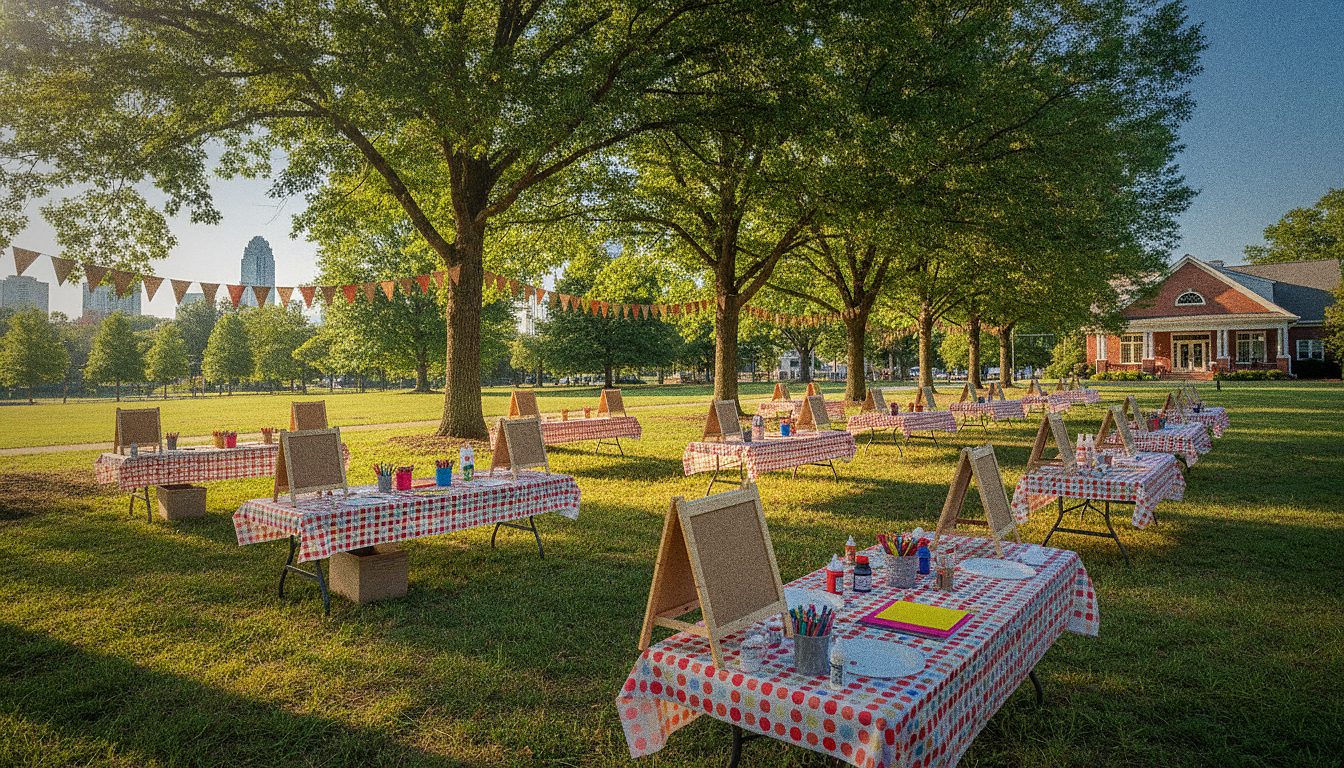
For an organization planning its first large family event, visiting an established family attraction as a working research trip — not just a fun outing — can be genuinely useful: watching how a well-run attraction manages queuing, rest points, and parallel activities in practice often surfaces practical details a written case study misses. Dracula Land is one such destination worth observing specifically for how it structures a themed day for a genuinely wide age range, from small children to teenagers, without losing either end of that range.
Read the full article →
A first-time gift is easy. Getting that same person to give a second time, without being asked twice as hard, is where most small arts nonprofits actually lose donors.
Read the full article →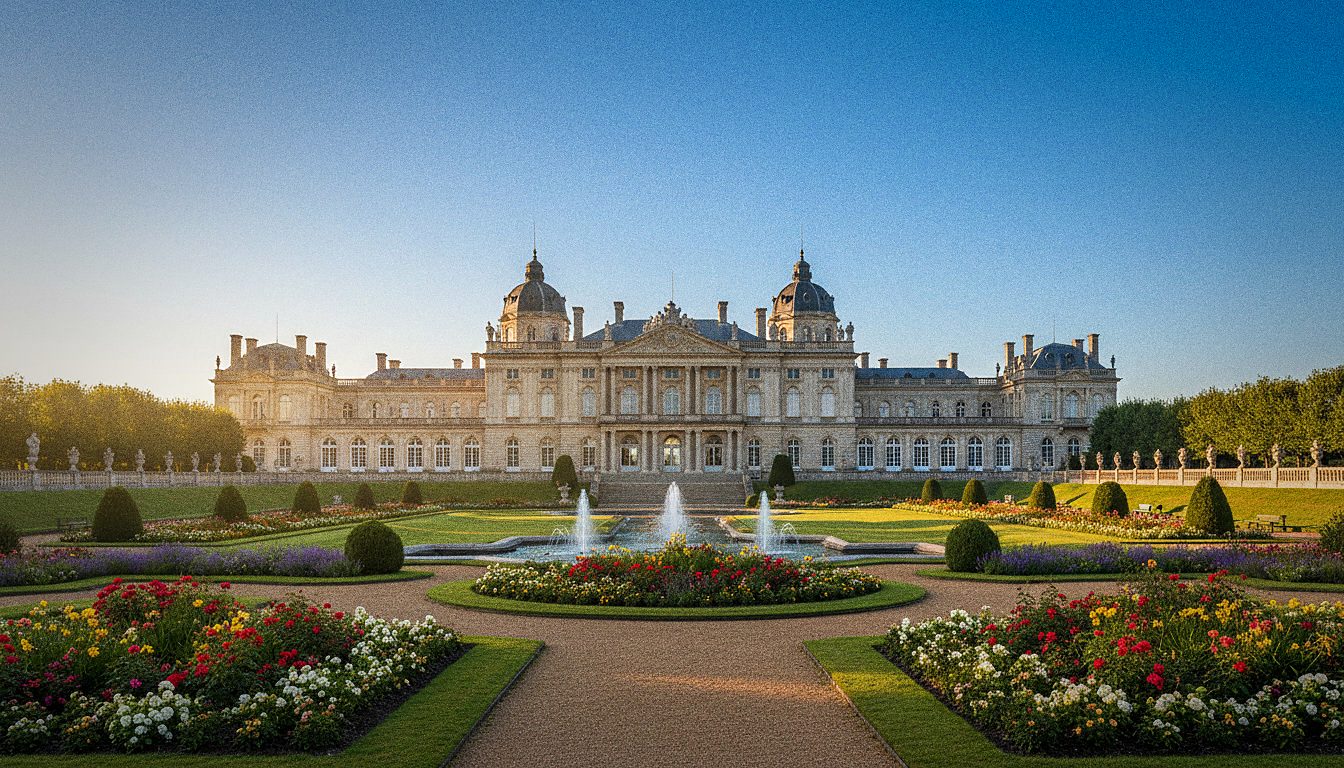
A palace on the scale of Versailles operates on a conservation budget no local heritage project will ever approach, and it would be a mistake for a small grant-funded restoration to try to copy its methods directly. What's genuinely useful, though, is the underlying decision-making structure behind how a site with far more restoration needs than budget decides what gets fixed first — a problem every small heritage project faces at its own scale.
Read the full article →
'Impact' is one of the most demanded and least understood words in the grant world — funders want it measured, but rarely explain what a good measurement actually looks like at a small organization's scale.
Read the full article →
Large indoor leisure venues — the kind built specifically around being weather-independent — are worth considering directly for this purpose, even when they're not local, if a group is willing to travel for a genuine outing rather than a purely local meeting. tropical-island.pl is one example of the type: a large enclosed venue built specifically to function regardless of outside winter conditions, which is exactly the constraint a winter fundraiser outing needs solved.
Read the full article →Culture & Commons is a small, independent collection of practical notes for people working on community arts and culture projects — grantwriting for a small nonprofit, running a local fundraiser, supporting working artists, or expanding access to arts education. We write from the scale most local culture organizations actually operate at: modest budgets, small staffs, and volunteer-heavy teams, not large national institutions.
Alongside the practical guides, we occasionally look at how larger, better-resourced cultural and heritage sites approach problems — preservation, visitor engagement, community programming — and what of that genuinely scales down to a local project. Start with our guide to grantwriting basics for small arts organizations.